The Expertise Paradox
As AI-generated content becomes increasingly common, many organisations are reassessing how they evaluate writing, expertise, and professional capability.
This article explores an unexpected observation: technical documentation written decades before modern generative AI existed can sometimes be identified as AI-generated by modern detection tools. It examines what that reveals about technical communication, professional expertise, accountability, and the future of portfolios in an AI-enabled world.
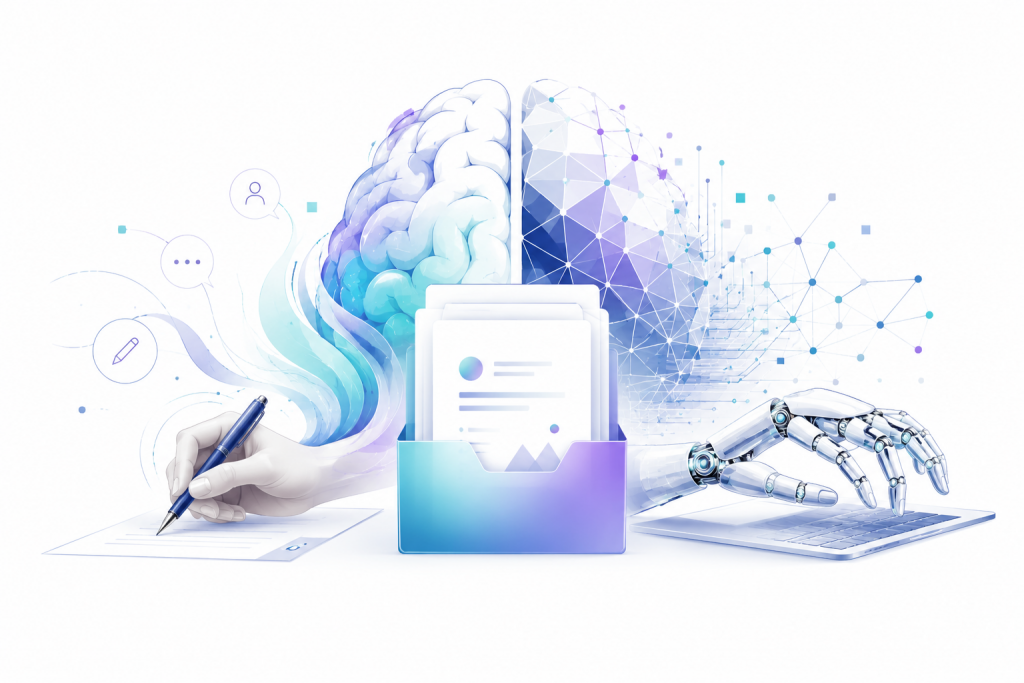
The discussion often focuses on whether content was written by a human or generated by AI. This article explores a different question: what happens when professional writing becomes difficult to distinguish from the systems trained to imitate it?
The idea emerged after I tested documentation that I had written years before modern generative AI existed. Surprisingly, some of those documents were identified by AI detection tools as potentially AI-generated. The experience raised broader questions about how expertise is recognised and assessed in an AI-enabled world.
Drawing on my experience as both a technical communicator and hiring manager, the article examines the relationship between professional writing, AI-generated content, accountability, and the future of portfolios. It explores why the visible output may no longer be sufficient evidence of capability and why professional judgement, governance, decision-making, and domain expertise may become increasingly important.
Rather than arguing for or against AI, the article considers how organisations, recruiters, and professionals might adapt as technology becomes more capable of producing convincing outputs. It also explores what evidence of expertise may look like when machines can increasingly replicate the characteristics of effective technical communication.
Themes
- AI and technical communication
- Professional expertise
- Documentation practice
- Portfolio design
- Content governance
- Knowledge work
- Professional accountability
- The future of work
Reading time: 8–10 minutes
Format: PDF article